
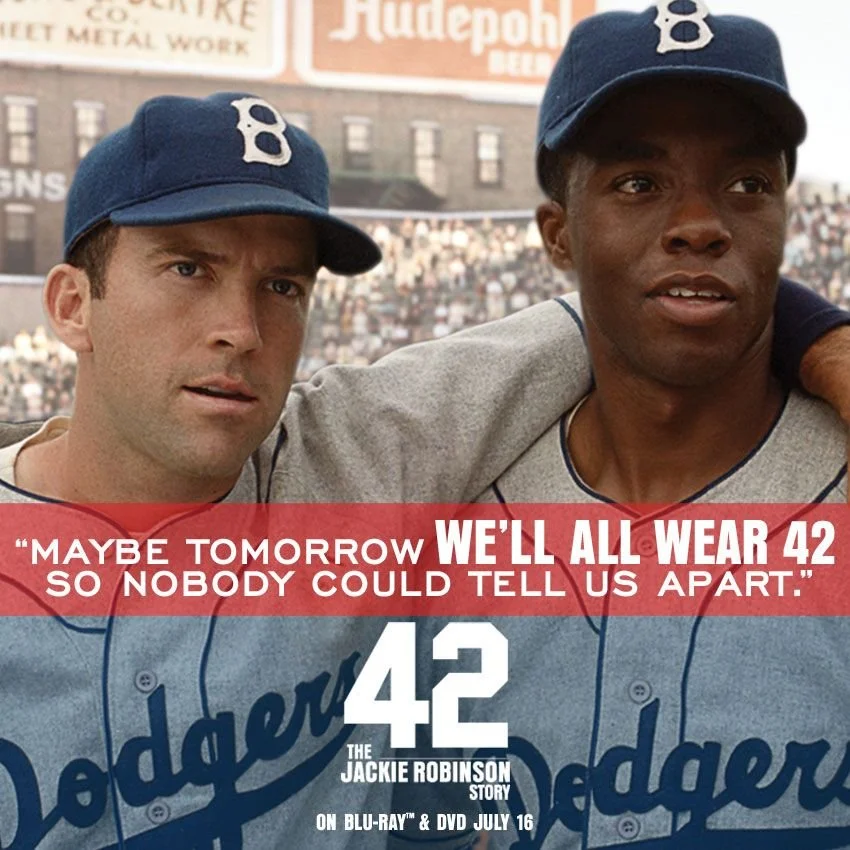
The Legacy of 42 and Its Ohio Connection
The 2013 biographical sports drama 42, starring Chadwick Boseman as Jackie Robinson and Harrison Ford as Branch Rickey, dramatizes Robinson’s historic debut with the Brooklyn Dodgers on April 15, 1947, breaking Major League Baseball’s color barrier. The film’s title references Robinson’s jersey number, later retired league-wide in 1997, making it a cultural shorthand for both baseball and civil rights history.
Ohio’s Role in the Story
One of the most direct Ohio ties is to Branch Rickey, the real-life Brooklyn Dodgers owner who signed Robinson. Rickey was born December 20, 1881, in Stockdale, Pike County, Ohio. His Ohio roots are part of the historical backdrop of the film, as Rickey’s decision to integrate baseball was rooted in his own experiences and values.
Historical and Cultural Legacy
42 has become one of the most widely recognized dramatizations of Robinson’s life for contemporary audiences . It blends baseball authenticity with civil rights storytelling, using historically accurate recreations of old ballparks like Ebbets Field, Forbes Field, and Crosley Field to immerse viewers in the era. The film’s release on April 12, 2013, just before Jackie Robinson Day, underscored its national significance.
Educational and Public Impact
The movie has been used in classrooms and public discussions to teach about integration in sports and American history. Its portrayal of Robinson’s courage under racist abuse and Rickey’s leadership has helped keep the story alive in popular memory. For Ohio, Rickey’s legacy as a local-born figure adds a regional dimension to the national narrative.
In short: 42’s legacy is both a cinematic milestone in sports and civil rights storytelling, and it connects to Ohio through the life of Branch Rickey, a native of Pike County, whose vision and determination broke baseball’s color line.